
Researching and advancing young people's role in politics, policy, and democracy.
Learn about the Centre for Youth Policy and our mission.
The Centre for Youth Policy (CYP) is an independent, non-partisan research institution dedicated exclusively to the study and advancement of youth political engagement. Inaugurated in 2023 and headquartered in Washington, D.C., CYP exists because the question of how young people participate in, influence, and transform democratic systems is not incidental to global politics — it is central to it.
WHO WE ARE
Around the world, young people are reshaping democratic institutions — through elections, through protest, through litigation, and through new forms of civic organising that older institutions are only beginning to understand. CYP was founded to provide the rigorous, data-driven analysis this moment demands.
We are not a youth organisation in the traditional sense. We do not run youth councils or organise student competitions. We are a research institution — one that takes youth political engagement as seriously as any other dimension of democratic life, and that holds the analysis of youth participation to the same standards of scholarly rigour applied to any field of political science.
What makes CYP distinctive is our exclusive focus. Questions of youth political representation, civic engagement, candidacy barriers, generational fairness, and youth-led institutional reform are not one programme among many for us — they are the totality of our mission. This focus allows us to develop depth of expertise and a global comparative perspective that no generalist institution can match.
WHAT WE DO
CYP generates original research across a wide range of intersecting issues: tracking youth candidacy in elections worldwide, measuring political accessibility for first-time candidates, studying youth-led movements and their policy legacies, and examining institutional reform across democracies. Our work spans the Global South and the established democracies of the West in equal measure, because the crisis of youth underrepresentation is not a regional phenomenon — it is a structural feature of democratic systems everywhere.
Our research portfolio includes:
The Global Youth Tracker, a live database monitoring youth political representation across 220 countries — from youth ministries and formal engagement mechanisms to the proportion of elected officials under 35.
The India Youth Tracker and Lok Sabha Tracker, providing granular data on youth candidacy, electoral outcomes, and representation trends in the world's largest democracy.
The Youth Policy Review Series, which critically examines national youth policies from Portugal to South Africa, assessing whether policy commitments translate into meaningful structural change.
Election Watch, rapid-response analysis of elections worldwide through the specific lens of youth participation, candidacy, and representation.
Across all of these programmes, we examine both the barriers young people face and the structural changes required to expand meaningful participation. Our policy briefs, research papers and editorials are written for audiences that range from academic specialists to policymakers, journalists and young political practitioners themselves.
A NEW PRIORITY
Research is necessary, but it is not sufficient. One of the most persistent challenges in youth political representation is not simply getting young people elected — it is ensuring that those who do reach office are not isolated: from one another, from the research literature, and from the broader global community of young legislators working on shared challenges.
Across parliaments and city halls around the world, young elected officials are navigating remarkably similar terrain — dismissal by older colleagues, limited access to institutional mentorship, the challenge of translating campaign mandates into legislative action, and the difficulty of building coalitions in environments designed by and for a different generation. They are often doing this work entirely alone.
CYP is committed to changing that. A growing dimension of our work is the creation of structured networks and platforms that bring young elected leaders together — across party lines, across borders, and across levels of government — to share knowledge, develop joint research, and build the kind of durable political relationships that amplify individual impact into collective reform.
This is not simply about convening. It is about creating the conditions for genuine intellectual and strategic exchange: where a young mayor in Nepal who has pioneered participatory budgeting can connect directly with a young councillor in Portugal grappling with the same problem; where a first-term legislator in India can access the lessons learned by a peer in Chile; where the experience of young elected women facing gender-based political harassment in one country can inform protective reforms in another.
The goal is synergy in the fullest sense: not simply information-sharing, but the emergence of new ideas, strategies and political will that none of these leaders could generate working in isolation. When young people in power are connected to one another and to the best available research on what works, they become meaningfully more effective — and the case for electing more of them becomes meaningfully stronger.
CYP's convening work, including our annual Youth & Democracy Conference, is designed with this principle at its centre. We bring together not just scholars and policymakers, but young elected practitioners who are already in office and looking for the tools and relationships to do more.
WHY IT MATTERS
Gerontocracy — the concentration of political power in the hands of older generations — is among the least examined structural features of contemporary democracy. The average age of a head of government globally is over 60. In most national legislatures, politicians under 40 are a small minority, and those under 30 are vanishingly rare. The median age of a parliamentarian is typically more than twice the median age of the population they represent.
This is not simply a symbolic problem. It shapes which issues get prioritised, which time horizons policymakers plan for, and whose lived experience is treated as politically legible. When climate policy, housing affordability, student debt, and the governance of technologies that older leaders do not use are all decided by bodies from which young people are structurally absent, the representational deficit has real policy consequences.
At the same time, young people are neither passive nor disengaged. The uprisings in Bangladesh, Nepal, Thailand, Chile, and across sub-Saharan Africa have demonstrated in recent years that generational frustration is politically volatile. The question is not whether young people will shape political outcomes — they clearly will. The question is whether democratic institutions will adapt to channel that energy into durable representation, or whether it will cycle endlessly between protest and disillusionment.
CYP's work is premised on the conviction that the answer to that question depends, in significant part, on the quality of the research and the strength of the networks available to those working for change. We exist to make both as strong as possible.
The Centre for Youth Policy is an independent, nonpartisan nonprofit organization. Diverse funding sources enable the Centre to maintain its independence. We are committed to being transparent about the sources of support for our operations, programs, research, and projects, and we retain complete editorial control of our work regardless of funding sources.

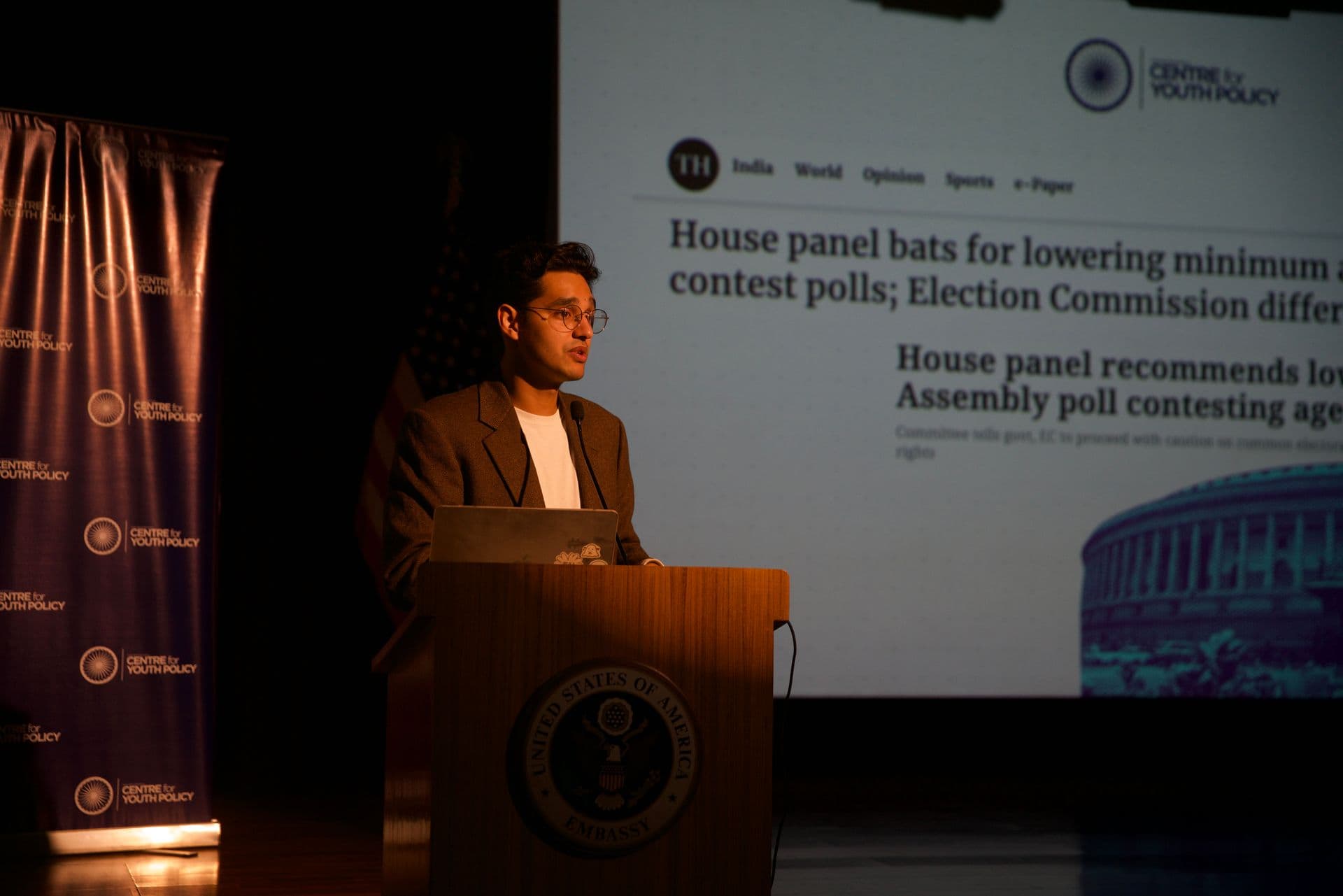
Meet the researchers, analysts, and advocates driving the Centre's work on youth political engagement worldwide.
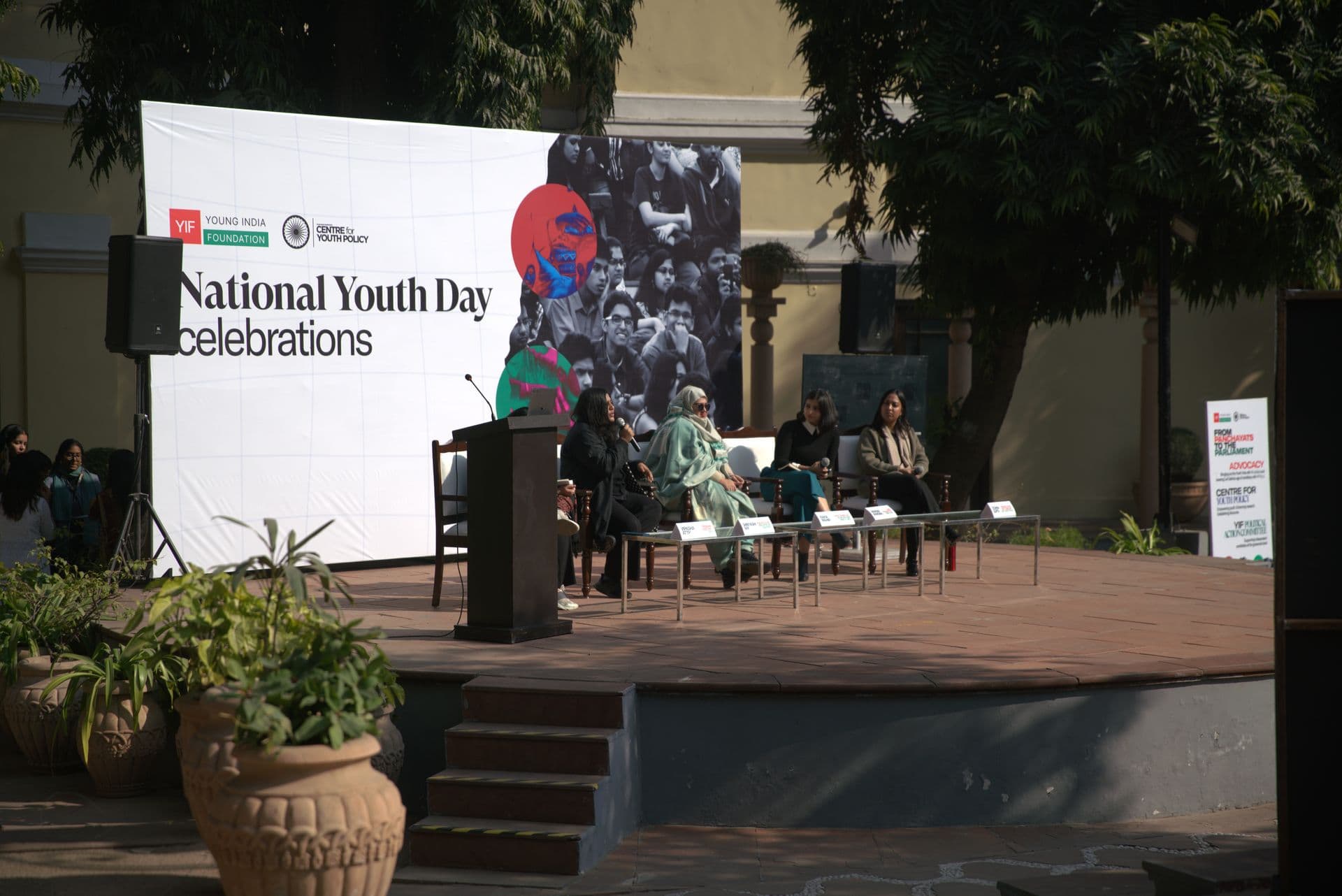
Join our community of young policy advocates. Explore opportunities to contribute to our research and programs.
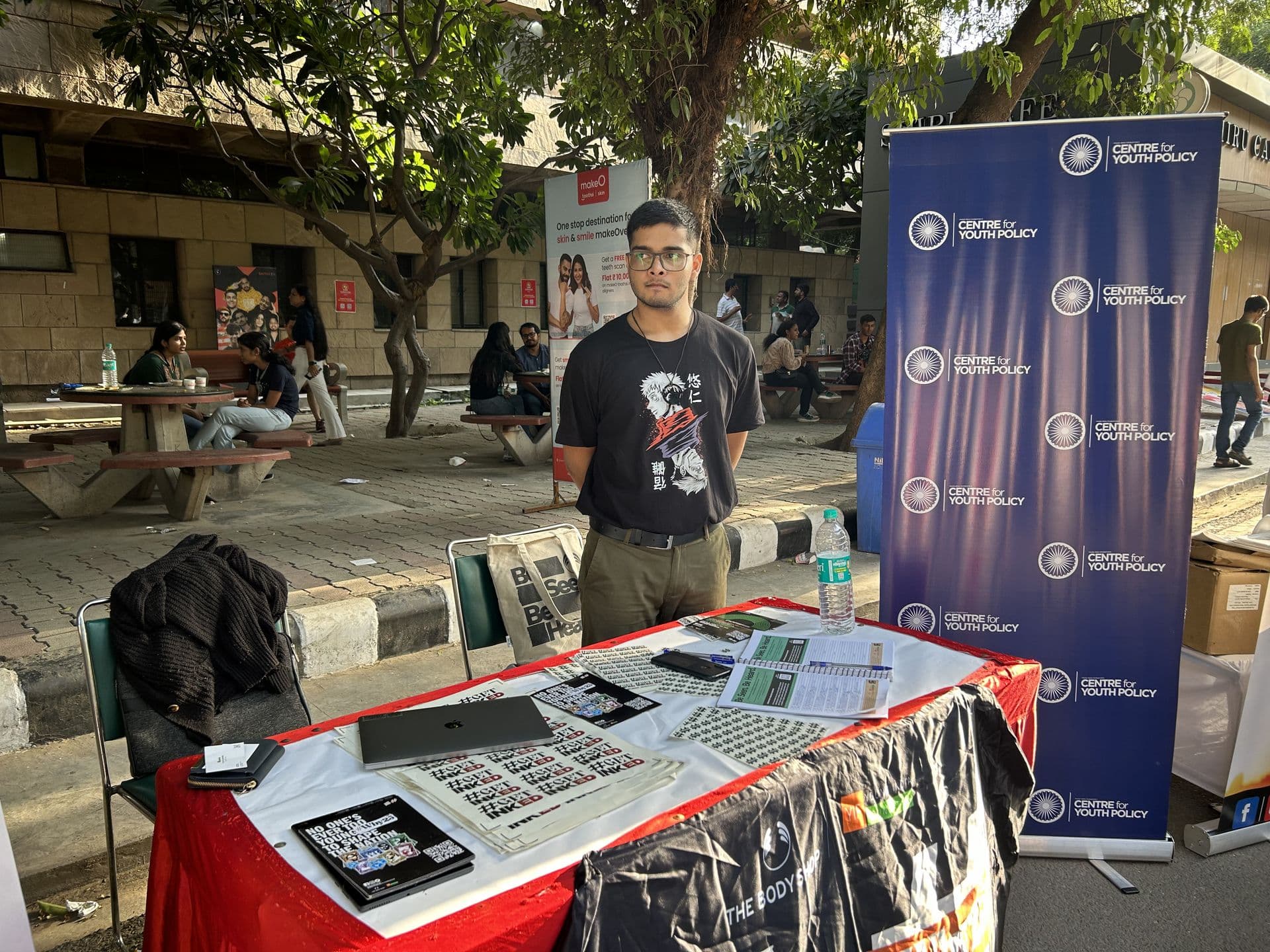
Support independent, nonpartisan research and analysis on youth participation in politics, policy, and democracy.
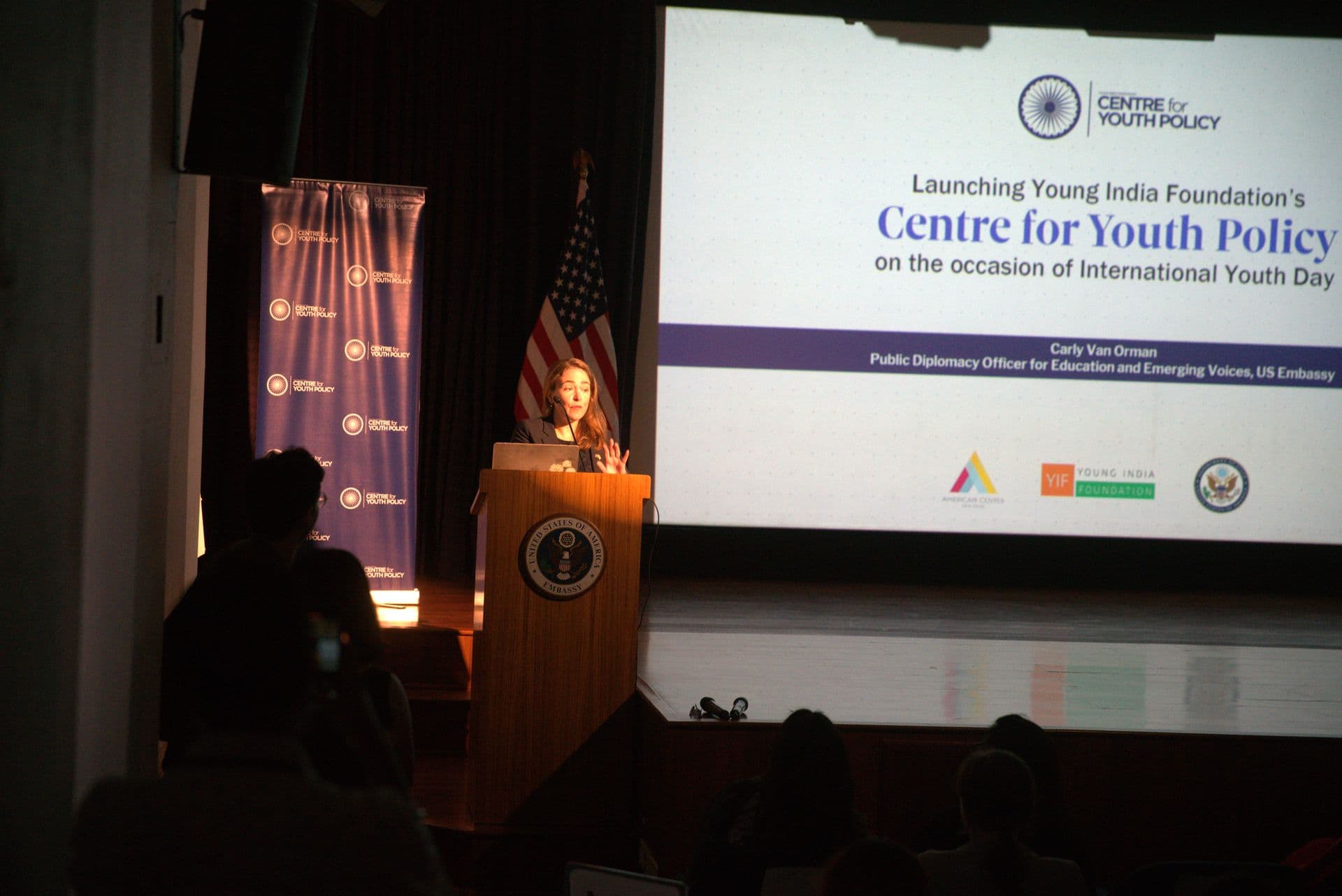
Our work is made possible by a diverse community of supporters committed to advancing youth political representation.